Household systems
How to make a shared shopping list people will actually use
A low-friction system for the screenshots, texts, links, and half-remembered requests that make up real household shopping.
September 24, 2026 · 5 min read
The list is rarely the real problem
Most shared shopping lists fail before anyone reaches the store. A request lands in a text thread, a screenshot stays in someone’s camera roll, and “we’re almost out” never becomes a specific item. The household does not need a more elaborate list. It needs an easier path from noticing to remembering.
The best system accepts information in the form people already use. Nobody should have to stop, open the correct app, find the correct list, choose a category, and complete six fields just to say the paper towels are low.
Give every request one destination
Pick one shared place where every request lands. The rule should be simple enough that everyone can follow it without discussion: capture now, clarify later.
- Add the exact product when the exact product matters.
- Add the outcome when it does not: “snacks for six kids” is enough.
- Include timing only when it changes the plan: “by Friday” or “before we leave.”
- Use a photo for labels, sizes, model numbers, and nearly empty containers.
Plan by trip, not by category
Traditional lists group milk with groceries and batteries with household goods. Useful plans group items by the trip that can actually get them done. That might mean one pickup order tonight, one specialty stop on Saturday, and one item worth waiting to ship.
Before leaving, resolve the few questions that can derail the trip: which version, how many, whether a substitute is okay, and whether the item is really in stock. Ten seconds of clarification at home can prevent twenty minutes of improvising in an aisle.
Close the loop
A list becomes trustworthy when everyone can tell what happened. Mark an item bought, skipped, delayed, or changed. If something was wrong, capture why. That small feedback loop is what turns a pile of requests into a household memory—and makes the next plan better.
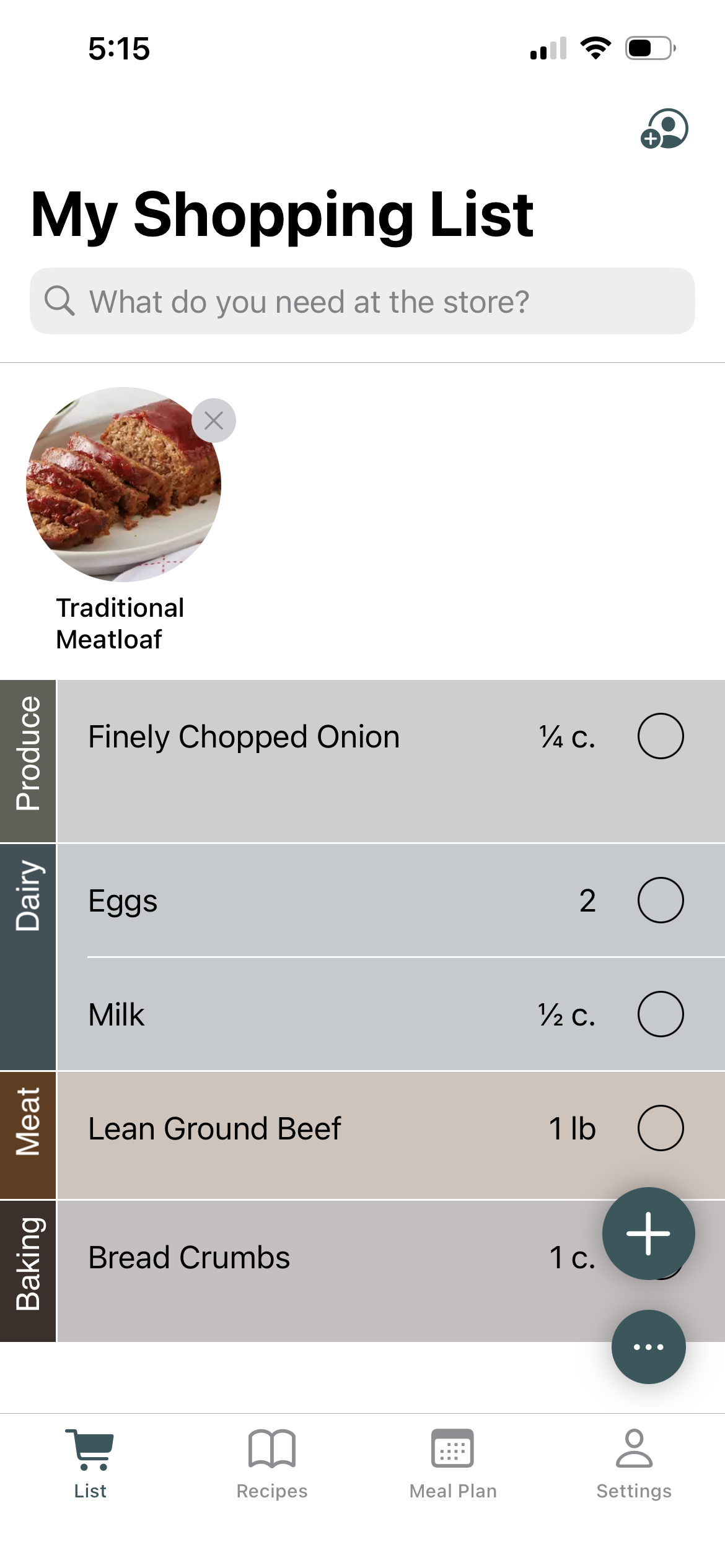
Shoplan keeps the household on the same live list, so the person in the store sees what is actually current rather than reconstructing it from old messages.